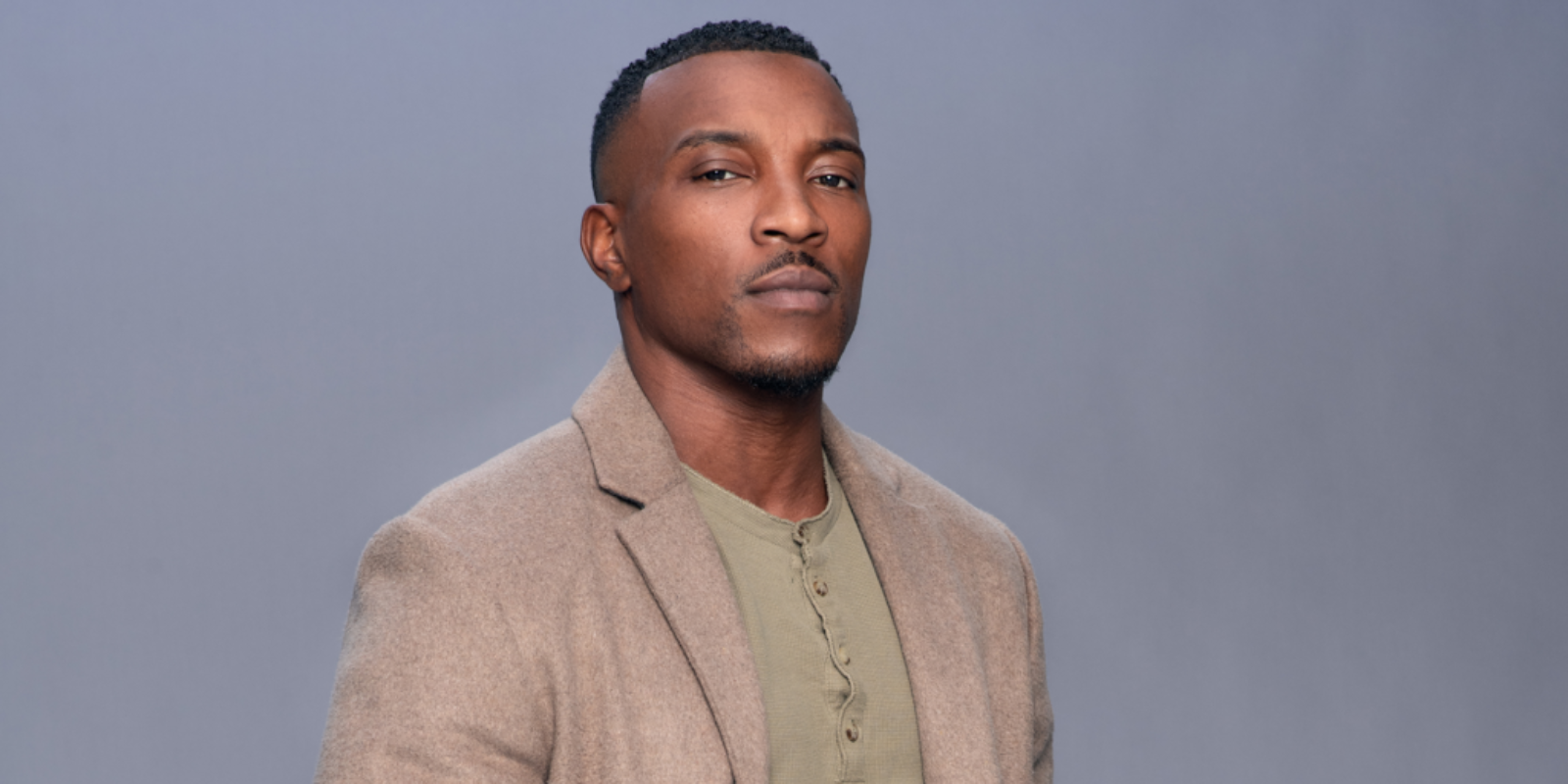
Meet Ashley Walters
Ashley Walters was born in Peckham, London on June 30, 1982, raised by his mother Pamela Case, Ashley appeared in The Young Indiana Jones Chronicles at the age of 10 and also played Andy in Grange Hill aged 14. He went on to take classes at the esteemed Sylvia Young Theatre School and starred in some stage productions before joining So Solid Crew.
He also turned his focus to acting, with parts in Saul Dibb’s 2004 feature film Bullet Boy and 2005’s Get Rich or Die Tryin’ alongside 50 Cent. He also starred in 2006 action film Stormbreaker and Danny in Life and Lyrics, for which he has received many plaudits. The actor has also appeared in numerous TV shows and made a particular impact with his role as Dushane in Channel Four drama, Top Boy. Ashley Walters is an actor, writer, director, producer and recording artist best known for exec producing and starring in Netflix’s British crime drama Top Boy, created and written by Ronan Bennett.
Extracts taken from the transcript of the podcast recording
FD [00:04:41]Well, to kick off the conversation, Ashley, we ask all of our guests to share their creative medium. So anything such as a song, a film etc. So have you chosen something for us for this week’s episode? [11.6s]
AW [00:04:53]Yeah, I’ve chosen a film and you’ll probably I mean, you know, it’s an old movie. I think it came out in 1985, and I watched it pretty much from, I’d say like the late eighties until the mid-nineties. And I still watch every now and again. I’m trying to force my kids to watch it. But it’s The Goonies. [22.9s]
FD [00:05:17]Amazing. I didn’t expect The Goonies. [3.5s]
KY [00:05:22]I have to ask, why is that such a critical movie for you? What did it do for you? And what does it still do for you? [10.5s]
AW [00:05:34]Well, at the time that I first watched it, I was you know, I’ve always been one of these people, and no one will really know this about me. But I was always a shy kid. I was always the kid outside the group. I was never the popular kid growing up in school, especially in primary school. So, you know, I always felt quite awkward in large groups of people. So I tended to be a part of the nerdy group, the outcast, you know, I mean, the underdogs. And that’s why that movie meant so much to me initially because it was about, you know, the underdogs, the kids that, you know, get bullied in the neighborhood and picked on by the elders and come together and become the heroes. I set the tone for my life growing up because, you know, it really did. I mean, there are other films that have added to it, but this was the main one. But, you know, those old school kind of eighties movies always had a sense of a value that, you know, movies today for kids, they taught you a lot about understanding that being yourself was powerful, that being different was powerful. And I learned that from that movie. You know, I’ve watched it over, I don’t know how many times, it was a combination of the music that Cyndi, Cyndi Lauper wrote the soundtrack for it. And a lot of it was you know, it was really motivational music about being good enough for yourself. There’s another funny thing about it. It’s always become a key point. I’ve always gone back to it as a reference at times of great trauma, you know, just sometimes at times where I’m just like, you know, you want to disappear into your childhood for a bit. But I recently directed a movie. I was given a script, a short film by a really brilliant writer, a guy called Jerome Hodo, and he was like, I really want you to direct this movie. And, you know, it’s set in the modern day and it’s about two kids that go on a journey. And I used The Goonies as a reference for directing because a big part of, you know, it’s a feel-good film. As I said, you know, you see the underdogs win in the end and the journey they go on is a journey of empowerment. They really have their own quirky ways about them. You’ve got data, you know, the Chinese kid is all into gadgets and then, you know, you chunk the fat one is always getting picked on. And throughout the film, they all have to combine their powers to become one great power that in the end takes on the man or whoever you want to call them. I mean, they win, you know? And for me, it’s always been quite emotional because it’s been the story of my life trying to understand myself. [197.8s]
AW [00:15:44]I think the main thing is honesty, you know, honesty and keeping yourself true. And sometimes being slightly selfish in order for your, you know, your self-love and your self-care is so important. You know, the old description of. You know, when you’re on the plane, if the masks come down as a parent, you know, you should put your mask on before you put your child’s mask on. And I think over the years, I got so caught up in, you know, not wanting to be like my dad, not wanting to be an absent parent, you know, wanting to put my children first all the time that I ended up putting them last a lot of the time, if I’m honest with you. And I didn’t care for myself. And I stopped dealing with trauma a lot at the time. So, you know, being the focal point of the family, being the breadwinner, being the one that always had to go out and make things right and solve problems or whatever. It’s all very well if you’re not taking good care of yourself underneath, if you’re not taking care of your mental health, at some point you crash and burn, you know, and you’re not able to be that support to people. And I had to learn that. I had to learn the hard way a lot of the time. So I think if anything, I’ve kind of learned that I need to care for myself. And one of the ways of doing that is by being true and honest. I think we develop a lot of resentment in our own minds and in our bodies by being dishonest, by not being assertive. You know, I mean by not kind of, you know, placing boundaries on certain things, you know, that that whole resentment that you build up inside, you can be one of the most damaging things for yourself and the people around you. So I live quite a true life now as much as I can. [128.5s]
KY [00:17:54]Ashley, I really appreciate you using the word resentment because I don’t think most people are honest enough to talk about it. And we all get told, Oh, you need to love one another and you need to look after one another. And the truth is, we all have that seed of what about me? What does it matter who’s going to look after me? And the truth is, we all get resentful when there’s not mutuality. I’ll happily look after you, and there’s an invitation for you to look after me. And so mutuality is a word we don’t talk about that is the balance between relationships. The other word that came to mind when you were talking was the truth. Humility is dealing with the truth. And so it’s very hard to explain to people until they’ve had your experiences or things like that to say no. Dealing with the truth is actually you being humble, because humility has to be based on the truth. And the truth is we all have needs. None of us is a superhero in real life. You know, we all have up days and down days. And so thank you for sharing that with this podcast, if you are with your children and grandchildren can spread that seed of people being honest and true and having the real form of humility and not growing in resentment, because resentment is a real killer. [94.7s]
AW [00:19:29]Yeah, I think a lot of people struggle with understanding the difference between humility and humiliation. If I’m honest, you know, there’s a yes, there’s a big difference with the two things. And another thing, especially where I come from in my culture, in my circle, we are definitely taught to not cry, you know, be strong, don’t talk about your problems. Just deal with them, show them what I have. And that’s been beaten into me. That’s been beaten into me. Not physically, you know, like metaphorically been beaten into me, you know, over the years. And, you know, I’ve had to be so tough to the point that now, you know, in the last ten years, I’ve just learned that wearing my heart on my sleeve, being honest about where I stand, being assertive and not aggressive, but being assertive about how I feel and boundaries makes life so much easier. You know, I mean, in business, in my family and relationships with my wife, you know, and it just makes things so much easier. And I think it’s, you know, you meet some of the finest people in the world who are so strong in that sense. You know, I think we you know, we all have new neural pathways that we tend to use as default a lot of the time where something’s been, you know, grind it into your brain and you’re used to doing something. And it’s very difficult for people to change the way that they respond to situations. But I’ve spent, like the last few years definitely working on that as much as I can as I got developed in business as I, you know, became more prominent in the acting scene, it was important for me to protect my integrity, you know, and to protect myself in that sense. And it’s been the best thing that I’ve ever done. It’s made my life so much more fruitful and I’ve been able to be so much more present. [118.5s]
FD [00:29:42]I just wondered how old you are when your father walked out. [3.1s]
AW [00:29:46]So, I mean, it wasn’t really. He was just never there, you know? He wasn’t. Yeah, from day one. So I never had an experience of living with my dad at all. My mum had a long-term boyfriend who was my stepdad. But and in my mind, I really look back on it and regret it because he was such a good guy. He still is, you know, he still contacts me now. He’s still trying to be a part of my life. And he brought me up from, I don’t know, from like two years old until I left the family home when I was 17. So essentially, you know, I should have really called him that. I understood he wasn’t my father and therefore I was looking for my dad, you know, in all the wrong places, because my dad just couldn’t be a present father to me. He, my dad, was in prison at least 17 times throughout his life, so he spent most of his life in jail. And when he did turn up, you know, he wasn’t really coherent a lot of the time. So the times I spent with him all throughout that time for me, I still thought he was a hero. I looked up to him and I would have done anything to make him proud of me or to notice me. But, you know, he did. He actually did. I had an amazing situation where, you know, he passed away in 2005 from lung cancer. And, you know, I was really doing well in my career. And I was shooting the movie in the States in Canada. And then we moved on to New York, was shooting a really big film. And, you know, he hadn’t spoken to him for a while. And he, you know, told me before I left to start this movie that he had lung cancer and he was dying, and they only gave him a certain of time to live. It was a couple of months. And I was you know, I was upset with him about not being in my life. I just shunned him. I told him, you know, I don’t even believe that you got cancer. I just think you’re doing this to get back into my good books and whatever, you know, so skeptical about it. But he actually just turned up one day in Canada and was like I’m at the airport, that was amazing. I went to pick him up and I spent the next two weeks living with him, seeing how it was. I picked up my camcorder and I just filmed him every day. I made a documentary of his last two weeks. You know, the day he left, flew home from Canada, had pneumonia on the plane and died when he landed back in London. [171.1s]
FD [00:34:09]Like, I was keen to ask you about that, how those relationships reflected back to where you are today as a father. [7.8s]
AW [00:34:19]Yeah, definitely. I mean, it’s really empowered me and I spent most of my life saying to myself, I will never be like my dad. He had seven kids by seven different women. I thought that was outrageous. You know, I mean, I was like, I despise him for what he did. And now look, you know, kids later, by three different women. The more you try not to be like someone, the more you end up being like him. [31.8s]
AW [00:37:09]I think off the top of my head and I’m probably only saying this because my daughter loves books. She’s reading all the time now. She’s only six. I just well, she just read Red Riding Hood to me. I think it’s an amazing story. I just found a newfound love for it. The whole point of that story is to tell you, listen to your parents. I mean, that’s the rest of it, you know, and she gets us open to a lot of the trouble by being distracted. I think there’s also an element of it as well, is that you know, if you have clear goals, if you set yourself clear goals, you create those incremental steps that you’re meant to follow, then you should follow them, and there’s going to be so many distractions along the walk of life. Sometimes you will be distracted by those things, but you have to get back onto your path. And I guess that sums up, her when her mom sent her to go and see a gran and said, you know, don’t talk to any strangers on the way, don’t do anything silly along the way. She starts picking flowers, she’s doing all sorts of silly games and ends up in the hands of the wolf, gives the game away and grandma gets eaten and she gets the shock of her life when she gets to her grandmother’s house and in the story speaks for itself is that, you know, stick to the path the thing to the path and. [101.7s]
FD [00:38:53]And so, Ashley, on that note, what legacy do you like to leave behind? [4.9s]
AW [00:39:02]I said, you know, it seems like a pretty easy question, but it’s a difficult one. But I guess all I’m looking for is that. No, this is nothing to do with ego. I want to leave behind, you know, a heroic. You know, a legacy for me, for my children, and for my children’s children, and so on and so forth. If I can be remembered for. For good. For love. For support. You know, for humility. Like we spoke about. Then I’ll be a happy guy, you know? And at the end of the day, if that day was to come for me tomorrow where I have to leave this planet, I have to leave this earth. I’d be happy with what I’ve done so far. I mean, genuinely. [62.9s]
AW [00:41:56]I appreciate and thank you for your time, guys. I’ve had a really good time, actually. It’s been an amazing podcast. [5.5s]

February 12, 2023 @ 6:16 pm
A massive Ashley Walters fan! I don’t hear many interviews with him, but this is brilliant! His book selection wasn’t something I was expecting, he’s really motivational. Come away feeling inspired!!
Thank you for bringing these stories.