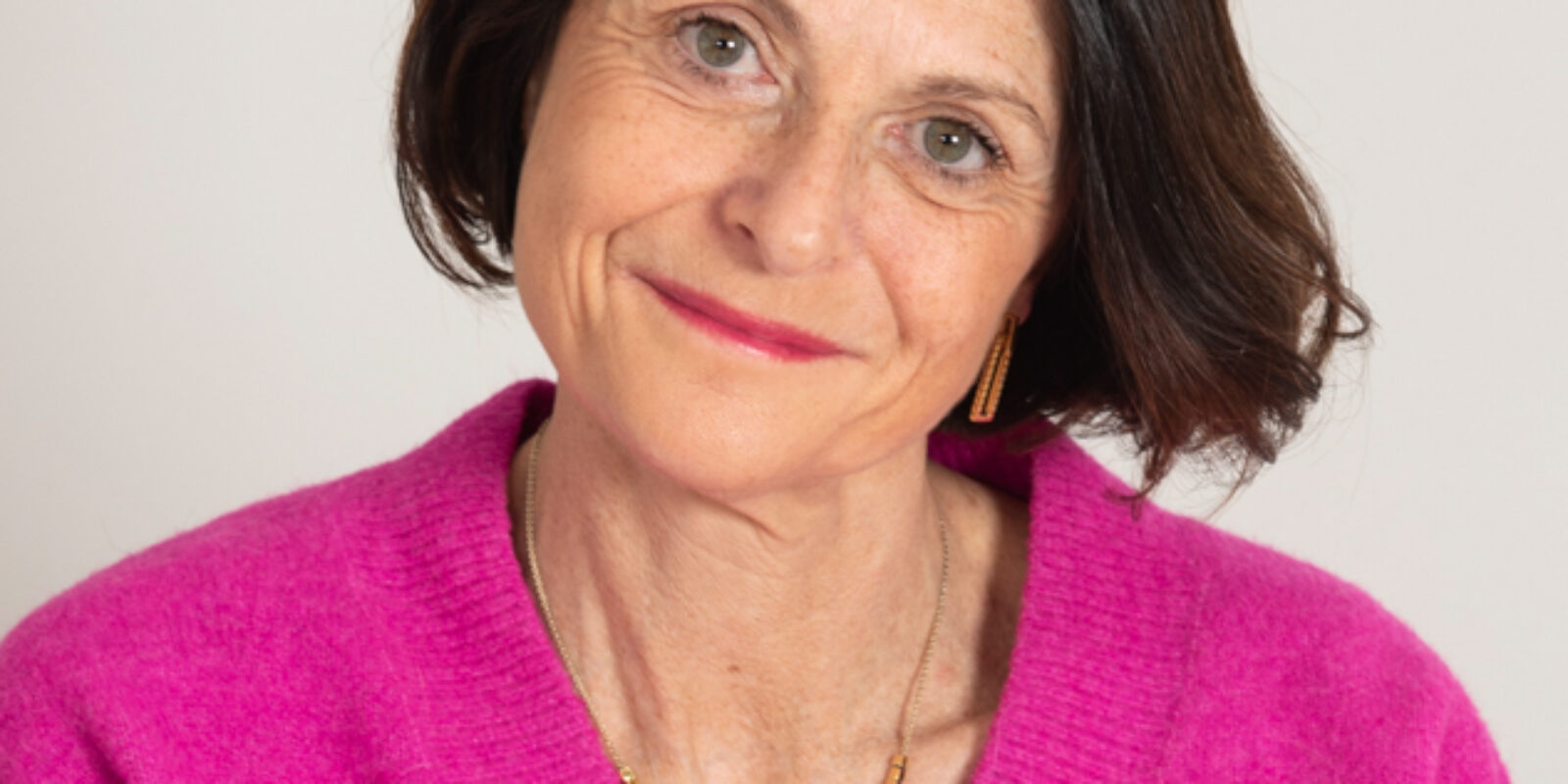
Meet Katinka Blackford Newman
Katinka Blackford Newman is an award-winning documentary film director and writer with countless hours of high-end broadcast TV to her name. She has worked in television for over 25 years and has made films for major international broadcasters and streamers including Discovery, National Geographic, HBO Max, BBC TV, ITV, and Channel 4.
In 2016 she applied her investigative and story-telling skills to writing a best-selling book. ‘The Pill That Steals Lives’ (John Blake Publishing), is a personal memoir and investigation based on her own experience. In 2012 an adverse reaction to a prescription drug led to a year long illness that nearly caused her to lose her life. Her subsequent research uncovered she was not alone and her book was made into a 1-hour special Panorama investigation. Subsequently, she has become an advocate for awareness of the risks of prescription drugs. She has written widely for national newspapers on this subject and has been interviewed on TV and radio around the world.
**TRIGGER WARNING** Katinka discusses suicide.
Extracts taken from the transcript of the podcast recording
FD [00:07:12]You know, it sounds like in the book you were really living the high life. It was like the fairy tale. You were going on the holidays. You had the nanny. You really did have everything that you could say was a fairy tale. So at what point did you feel that all slipping away and you were grappling to hold onto it all? [23.8s]
KBN [00:07:37]I think we got married very quickly. And it was because as I write, it would have been out of fear. You know, I was grabbing hold of this fairy tale and certainly the early parts of our courtship, it was all about parties and we were always planning something. It was the next party to this big wedding, this big honeymoon. And then I got pregnant very quickly and it was big children’s play, it was all adrenaline. There wasn’t much downtime at all. It was like constantly we were living this high octane lifestyle. And I think it was because actually we probably didn’t have that much in common, to be perfectly honest. I mean, we were great parents because we were polar opposites. We didn’t have much and we didn’t have a proper emotional connection. [67.6s]
KBN [00:16:56] I had built a narrative, I mean, I’m a storyteller, really, as a filmmaker, almost. So I built this story, a fairy tale story, oh, you know, she’s had a tough childhood, and then she meets her Prince Charming and they all live happily ever after. Two children and the dream lies. Well, that was my narrative. And I think that really but unfortunately, that fairy tale ending was flawed in so many different ways because life is not like that at all. There’s no fairy tale ending. It’s all about growth. [39.2s]
FD [00:32:03]Had you been to a therapist or anything before any of this had happened? If you experienced counselling. [5.2s]
KBN [00:32:10]I had experienced counselling. I wasn’t in therapy at the time because I was like, Oh, I don’t need it. I was like, I’m absolutely fine. Totally don’t need it. I think the end of that I just started to see a therapist actually, because I was just suddenly got all this just stuff that I have to deal with here that I haven’t really processed and that this kind of this persona that I’ve created for myself says, Oh, I’m just going out and dating loads of gorgeous guys and I’m just going to meet somebody else and blah, blah, blah, quite come to fruition of that. Me just setting off into the distance and meeting somebody else and living this dream life, another dream life that wasn’t quite happening. And I think I was being hit with, with grief, actually, just terrible grief. And actually that grief is a good thing. And it doesn’t go completely. I mean, of course it lessens, but it’s really good to feel sadness. [66.5s]
FD [00:38:59]And so in terms of when your doctor prescribed you these pills and you were going there for lack of sleeping, essentially, you wanted to be able to sleep better. You then suddenly find that you’re not sleeping any better. By that stage, you went to a doctor for sleeping pills, and you’re already well into the pills? [28.9s]
KBN [00:39:29]Totally. I mean, the reaction to this can happen within an hour. So once I had taken them all bets are off because I didn’t know what was happening. I was in a trance, much like someone would have been if you had taken a recreational drug and it had gone badly. I mean, I was just out of it. I mean, I was totally out of it when I went into the psychosis. But building up to that, there was the seizure and so on, I wasn’t able to articulate. I wouldn’t have been able to string a sentence together. I didn’t know what was happening to me. All I knew was that event. I didn’t really know what was happening. My body just had involved in movements. And I mean, if you Google psychosis, you can see videos of it. And it’s absolutely terrifying condition. So all bets are off. I didn’t really know what was happening then at all. [79.0s]
KBN [00:41:31]So people who have anti-depressant induced psychosis is possible but quite often go on to kill other people themselves, other people or acts of mass violence, It is because they think they’re in a dream. They don’t know what’s happening. And there was this feeling of extraordinary sort of numbness, this feeling that emotional anesthesia, nothing mattered. We were in a dream anyway, so it wouldn’t have mattered if I’ll kill myself, kill the children or whatever, because we all going to wake up. So that was part of it. And then there was another part where I thought, I actually thought I’d killed the children. I mean it didn’t make any sense to me because then the next moment running into Queen’s Park physically, I did run to my local park to try and find them, which doesn’t make any sense because I’ve killed them. And I do remember watching the TV and seeing news reports of me about me having killed the children. I actually remember that. And I also remember then suddenly the most scary thing was that I was suddenly on this like the Truman Show and what was happening to me and broadcast to the nation. And I remember believing that we were on this complicated game show and the audience, which was the whole world, because they were everybody was watching this. Everybody was voting on whether Jeremy or I, Jeremy was my ex-husband, whether he or I was a better parent. And so the whole thing was a test, and it was just awful because everybody was voting for him. [121.7s]
FD [01:33:32]Well, Katinka, we have one final question that we ask everybody on this show, and that’s what does becoming more human mean to you? [7.7s]
KBN [01:33:40]Becoming more human means. Being in touch with. Your emotions. It’s about listening to all of your emotions, not shutting out the negative ones that all of that, your body and your mind. They are just they’re incredible in telling you what you need to know. And even if you ignore your emotions, then you’re shutting out such an important part of. Of what? As you shutting out information about your life, that all of these things are so important that if you are having sleepless nights, listen to what is keeping you awake because it really might be the key to your happiness. [45.4s]

February 10, 2023 @ 10:10 pm
Such a powerful story, I have passed this on to a friend. Thank you!
February 12, 2023 @ 6:20 pm
Incredible interview, thank you for sharing.
April 13, 2023 @ 11:49 am
Really fantastic interview. So interesting, and so brave. Thank you.