Meet Shelli Epstein
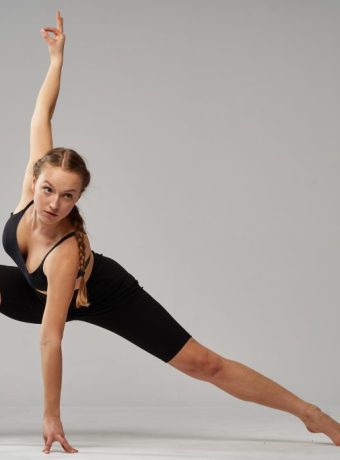
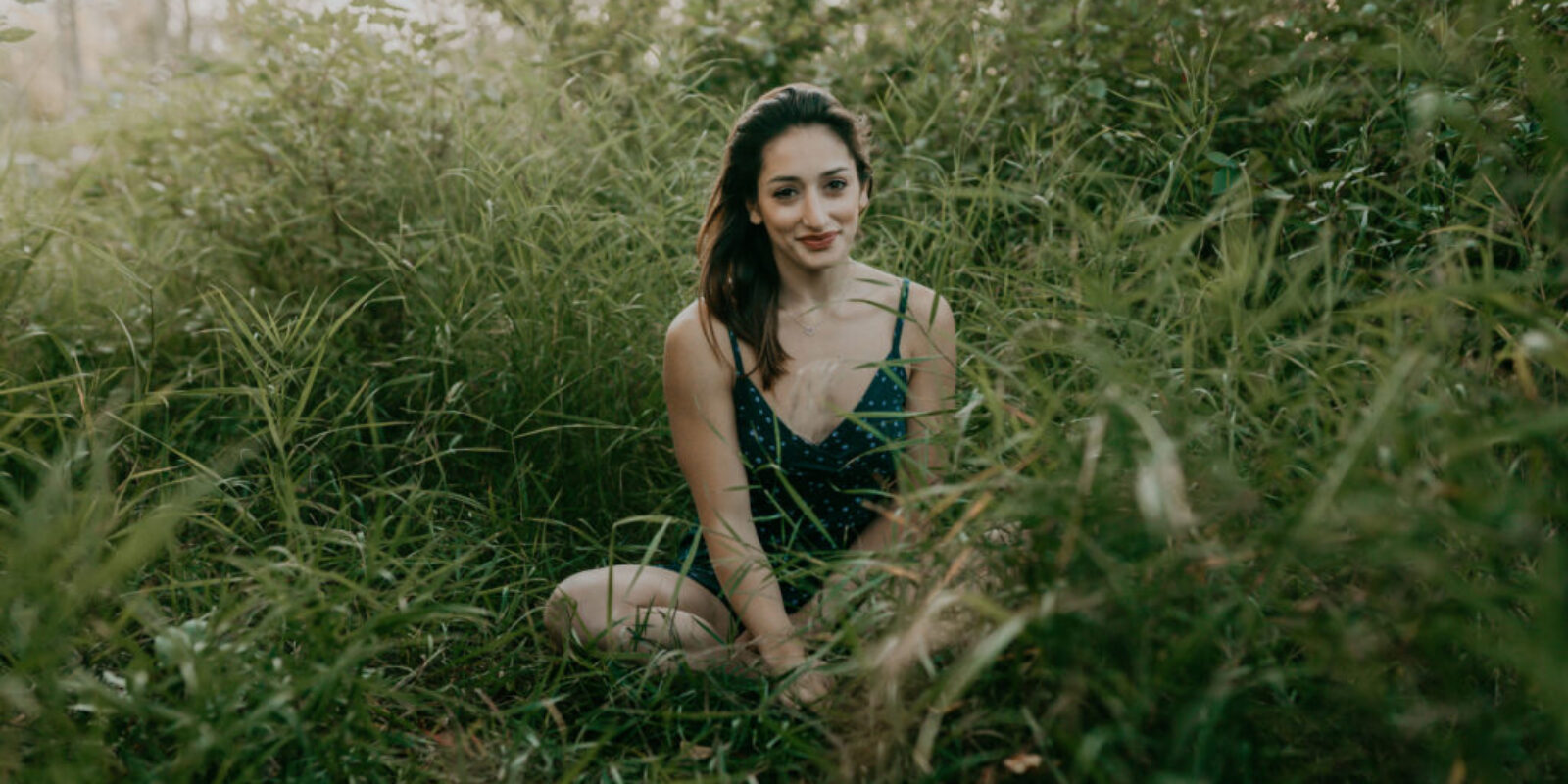
Shelli Epstein began her career as a gymnast before becoming a star performer with the world-renowned Cirque du Soleil. After Covid and an injury abruptly ended Shelli’s ability to perform, she dedicated herself to becoming a fitness and performance coach, and now works with athletes and fitness enthusiasts, teaching them the value of resilience, teamwork, and self-belief. Her mission is to empower and motivate people to live their best lives. Flying High is her first book.
Extracts taken from the transcript of the podcast recording
FD [00:04:50]And what was it like being in the circus? I mean, this is like every kid’s dream. [8.7s]
SE [00:05:01]Everything and more. But at the same time, there was a lot of behind-the-scenes stuff that I was not prepared for that I didn’t anticipate. I left home when I was 18. I moved to China, which for an 18-year-old, normally you go to university and you leave the nest. But I left the nest and went across the world for a big cultural shock and changed into this working, highly professional working environment. And that was quite hard. And people could see I was 18, I was the youngest of the cast and I grew up quite quickly. But also I had a lot of naivety as well. Certain things I feel like people took advantage of and then other aspects of the industry are quite nasty that I wasn’t really prepared for if I’m being particularly honest. [49.7s]
FD [00:05:51]What kind of things? [0.5s]
SE [00:05:53]So when I was 19 years old, in the same company, in the same show, I was told that I needed to lose weight potentially for an acrobat. I might have put on an extra two or three kilos due to hormonal imbalances that I wasn’t even aware of. And when you’re forced, you’re not forced, but when you’re told you need to lose weight, otherwise you’ll lose your job it was terrifying and my job was my life at the time. And I also didn’t have the inner strength or the knowledge to stand up for myself, to say, this is who I am, you know like I grew into myself a lot later. So that was one that was a really hard time. I was 19. [42.1s]
SE [00:08:59] I was desperate. I was trying to stop taking pills. It was ridiculous. But I was so desperate that I tried everything and anything and I overtrained. And that led to addiction and obsession. And even when I lost the weight, which I must say wasn’t probably in the healthiest manner, however, I lost the weight and I kept my job. And I was then stuck with this obsession, and I would still write down everything I ate. I would then write it down on this stupid piece of paper. It went from being once a week to almost every day. Standing on the scales, sometimes twice a day, to see the fluctuations. One day I had like this moment and I was like, this is not healthy. And I burned my book. I got rid of it, and I kind of just left it in the past. And still now, when I stand on the scale, I have this fear. And it’s just a number. It doesn’t mean anything, that does not define me as a person or who I am. But it really messed with my head and it still does. But I have got better at it and I am a lot better now. I live my life when I want to and I’m not fearful of what I’m consuming, I think I’m healthy and I’m happy and I can’t complain. But I definitely had that period where it wasn’t okay. And unfortunately, in the company that I was in, no one really protected me. The people kind of forced it upon me. And that’s wrong in so many ways. [93.0s]
FD [00:13:07]And you know around that time you travelled off to China on your own. That’s a pretty bold and brave thing to do. Was that something that you’d always dreamt of and how did you handle living away from home? [13.3s]
SE [00:13:21]I always had a dream when I was a kid, so my parents took me to see a Cirque du Soleil show and after seeing the circus later, I said, Mum, Dad, that’s that’s what I want to do. And the company that I was working for, I knew he had directed ten of the Cirque du Soleil shows. And then he went and made his own company. So when I was offered the job for this company, I was like, Wow, this is definitely like I had no experience. Like I needed a foot in the door and that was my foot in the door. And I started pretty darn high. It was one of the biggest shows in the world, and I’m still so grateful for the opportunity for performing on that show. It was and I’m biased, but it’s still one of the most fantastic shows, and I’m very sad that it is currently closed and maybe one day in the future it will reopen. [43.6s]
FD [00:15:00]You know, the dream was Cirque du Soleil. How did it feel when you were within reach of that dream? You know, when you first, I guess you auditioned or applied your own way. I mean, that must have been quite a moment in itself just to get to that stage, I would have thought. [19.6s]
SE [00:22:43]So I didn’t realise how many skills I actually had, you know until COVID hit when we lost our jobs. That was the first time I was put in a situation. I was like, Who am I without it defining me what can I do and what am I capable of? I had never really been given that opportunity yet, so it was a really interesting time period, also quite a challenging one. I am learning who I am, like I had a bit of an identity crisis, figuring out who I am and I think it was a really important time and place in my life as well. But that was the moment where I was like, okay, what can I do? What am I capable of? What do I love? What are my interests? I had never gone to university, so I enrolled in a sports psychology module with the university, and I studied for a year. I had a personal training qualification, which was always my backup plan. I was like, If I don’t have a job or if I’m in a transition, I have personal training to fall back on. And I was like, Well, now is the time. Let’s use it. [149.9s]
FD [00:25:14]It’s really interesting, isn’t it, That passion has such an impact on how you turn up every day as a human versus how something can affect you differently when you might enjoy it, Vs if the passion really deep down isn’t there. [16.6s]
SE [00:25:31]Yeah, 100% I can completely relate. Now I know how it feels, but I have I’ve learned where my passion lies in other areas. [10.6s]
SE [00:36:36]it’s a reminder that there is that little, you know, that performing voice inside all of us, that everyone has that little fire. Maybe it’s singing, it’s dancing, but you should get yourself back into that dance class. Movement is medicine and no one should be a judge. If I put myself in a dance class, I’m definitely not, you know, not the best dancer in that class, but I throw myself in there and it’s for me, and I, I love it. So, yeah, you need to put yourself in that situation, even if it’s causing some slight discomfort and nervousness because there are other people in the room. [37.5s]
FD [00:37:53]We have a tradition on this podcast. We always ask our final question to our guests, which is what does becoming more human mean to you? [8.1s]
SE [00:38:02]To me, becoming more human is really focusing on yourself and reflecting on who you want to be as an individual, as an individual, and in particular, what version of yourself do you want to be. So really looking in the mirror and being like, Is this who I want to be today? And if it’s not, what can I do tomorrow or today to change that and to be the best version of myself, the biggest thing to be more human to me personally is kindness. To be more kind, we need more kindness in this world in all different forms. But yeah, to be kinder is to be becoming more human. And for me, I think the word that stands out is kind. [41.3s]