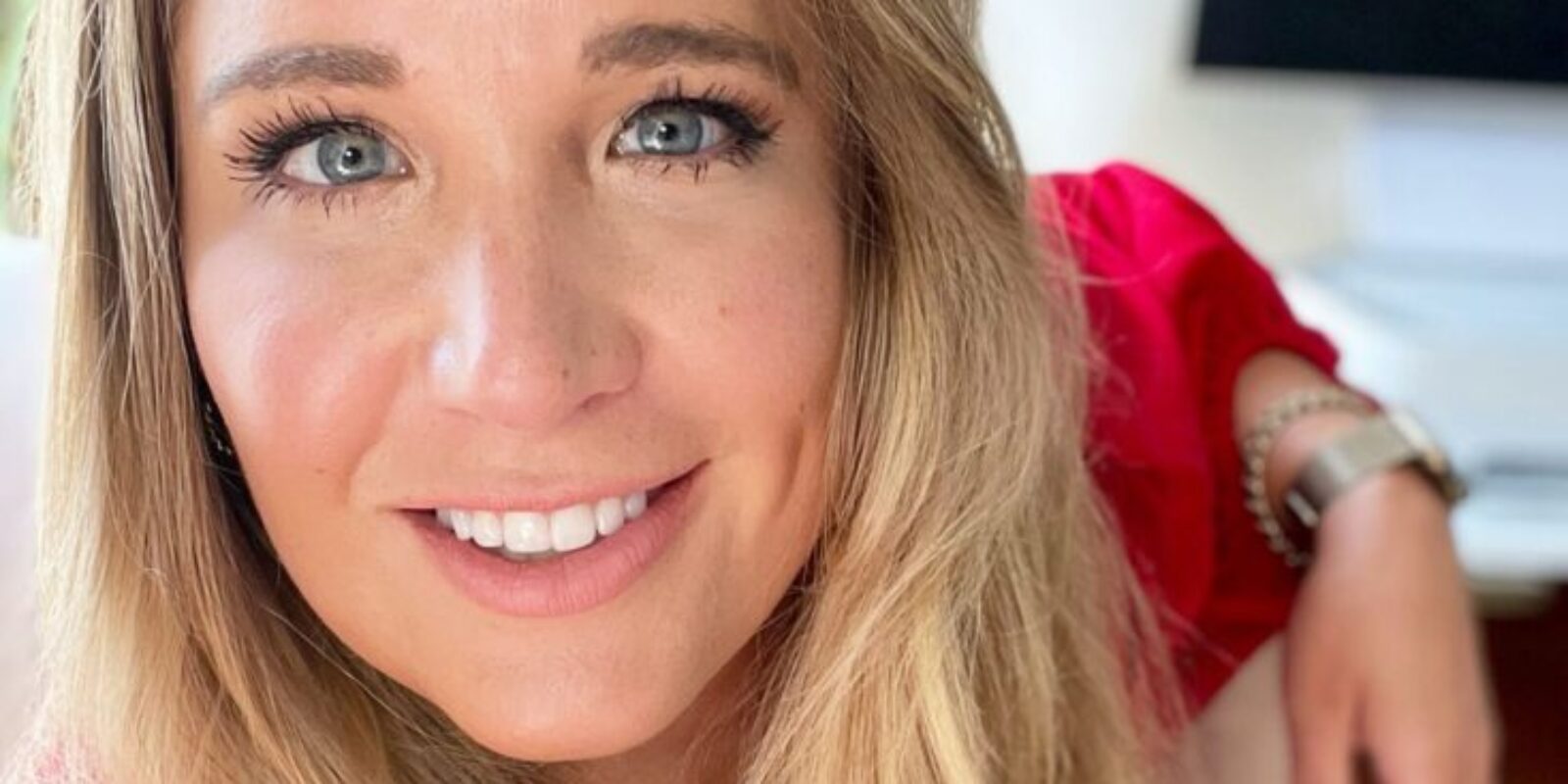
Meet Sarah Hill
Sarah Elizabeth Hill is the Founder of Bobi, the social media agency. The company began in 2018 with its first client, Clear + Vivid with Alan Alda. They remain a client today, over 200 podcast episodes later.
Sarah was born in Fort Worth, Texas and remained there with her family until she attended school at The University of Oklahoma for Writing and Journalism. After school, Sarah worked for Al Jazeera English in Washington, D.C. as a Bookings Producer. When she returned to the Texas area she involved herself with startups and eventually began employment with an agency based in L.A. specializing in social media — working with clients like HBO, Nike, and more. Around this time in 2013, she moved to New York City where she was the Social Media Manager for Metlife’s Superbowl XLVII. Sarah began work for The Reading Room as their Social Media Manager. Eventually, after years of learning about the company and product, Sarah was asked to step up and be the CEO of The Reading Room. She relaunched and rebranded the company to Bookstr.com and significantly expanded the video audience through Facebook Live programming, including hosting her own Facebook Live show interviewing authors like Deepak Chopra, Tony Robbins, and more. She and her team grew that audience to over 3 million people organically. In 2018 Sarah left to start her own social media and podcast production agency, Bobi NYC, which she is still running today. Bobi NYC is named after her grandmother and the company has worked with over 100 clients including artists, authors, retailers, websites, startups, non-profits, healthcare companies, and more.
Outside of work, Sarah enjoys gardening, exploring New York, and spending time with her dog, Hudson.
Extracts taken from the transcript of the podcast recording
SH [00:13:52] I admire that because it’s so creative in a way. It’s incredibly creative and resourceful to be able to build a business from nothing. And once you kind of catch that bug it consumes of all you. For me, it’s all you can see is like, Well, that’s a business opportunity. That’s a business opportunity. Like, somebody should do that. Hmm. [22.6s]
FD [00:14:20] Did he instil that bug into you in a way that really motivated you to get out there and do it for yourself? Or have you experienced times when you wavered on that and thought, this is mad? I just really want to have a 9 to 5 where I take home a paycheque and I don’t have any of this worry. [19.1s]
SH [00:14:39]Yeah, absolutely. I think it started out as I was just working a regular, working different jobs at Start-Ups, mainly because I graduated in a recession and they were the only ones hiring. And so I was like, you know, I just would find myself at the office, until really late and I would be making next to nothing. I would still be thinking about these problems when I went home and I was just like the emotional strain this business that’s not my own is having on my mind as well. It might as well be my own, I’m just thinking about this so much that I’m helping other people make a lot of money that maybe you’re not even thinking about this stuff. And of course that’s why you’re getting paid, but if that’s anyone listening, if that’s you, then do it for yourself. [72.5s]
FD [00:21:48]And is that something that you found as a leader that you begin to instil into your team? Is the entrepreneurial spirit? And do you have a set of core values that you’ve really honed as you’ve developed in your career? [15.7s]
SH [00:22:05]That’s a great question. I don’t know. I mean, I would love to think that I could instil the entrepreneurial spirit. And I think most likely that by the time they get to me or show interest in what I’m doing, they already have that. You know, they already have that going for them for the most part, because I love an entrepreneurial spirit. I mean, I love problem-solvers. I love people that are willing to come in, and get their elbows greasy. And the listening component, I mean, my world changed totally when I learnt how to listen as a boss. [112.1s]
FD [00:23:58]That’s really interesting. That’s something a lot of people still don’t talk enough about, in my opinion, is the art of listening. And that counts for so much in business, especially in negotiations, which is arguably one of the most important parts of business and it’s interesting that you’ve touched on that. So how has that shown itself to you in business? [26.3s]
SH [00:25:05]I’ve honed in. I’ve always been a good listener, but I’ve met one of my clients, Alan, Alda. He is an actor and I mean, he’s many things. He’s a philanthropist, he’s an actor he’s just an all-round wonderful human being. And he’s 86, and busier than ever. He was all about listening and I was like, Wow, this resonates with me because I’ve never heard anyone saying that. [39.6s]
SH [00:37:29]Yeah, the imposter syndrome kicks in sometimes. The imposter syndrome for me often comes with pricing because I’ll start adding up like these projects and I start adding up my time in my team’s time, and then I’m like, Okay, well, I don’t know if they’re going to pay this. That is a really terrible feeling that I am actively trying to work on because I know that it’s worth it and I know that we’re worth it. And you know, I know all of that, but it doesn’t make it easier for me. [46.0s]
SH [00:43:03]Yeah, I do think that you’re right. You can make your luck and you can you know, I also think momentum makes luck. And can you make momentum, you know, so much about a business as making momentum, making things go. People want to participate, making people want to get hired or, you know, making people want to buy your product. Like momentum can really move a lot forward and you can create momentum. [35.0s]
FD [00:43:42]You’ve given me a moment there. I hadn’t thought about it in that context before. It is with momentum so much can actually really happen. But it’s hard to get it because, you know, especially as a small business, a lot of people, they get a bit of momentum and then it might sort of plateau out and then fear creeps in and it stops them moving forward. Have you ever experienced moments of fear creeping in at any points in your journey
SH [00:47:51][Yes I have…]. Advisors. Advisors. One advisor, Michael, before I was paying him, he would meet with me and just say, how are you doing? He’s been with me on this journey for a long time and you can’t pay for someone to care. So if you find someone that cares about what you’re working on or just your own wellbeing, keep them near you, keep them close to you. And if they can help you in business, then even better. [36.9s]
FD [01:08:40] What does becoming more human mean to you?
SH [01:09:12]Well, I think for me. Becoming more human means letting your vulnerabilities show through and being open and honest about them. I also think it takes another take where you need to be more empathetic towards yourself and to others. Sometimes we are very hard on ourselves. You kind of feel like you’re this robotic woman and you’re focussed on all these things and you know, you’re not really like coming to terms with either being human and knowing your own self. So I think there’s that. But then also with others, especially with others, being seen, recognising the human being in them and recognising the parts of them that need something or want something or are just existing and, recognising that in them. And I think it kind of comes back to that conversation we had earlier about, you know, listening and good conversations. How you learn how to listen and how to receive as well as output, but particularly focussed on the listening component. So yeah, I guess empathy and listening I think is what I would boil down to.


February 9, 2023 @ 6:22 pm
I had to get a pen and paper out for this interview, Sarah shared so many great pieces of advice.
You are both wonderfully engaging on this episode, it was a great listen!