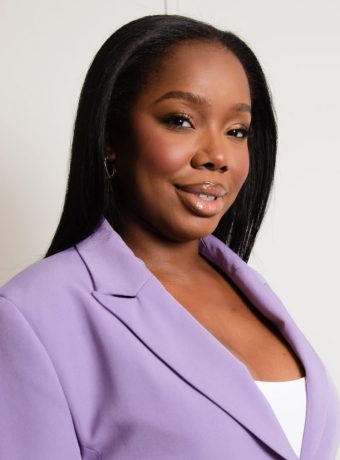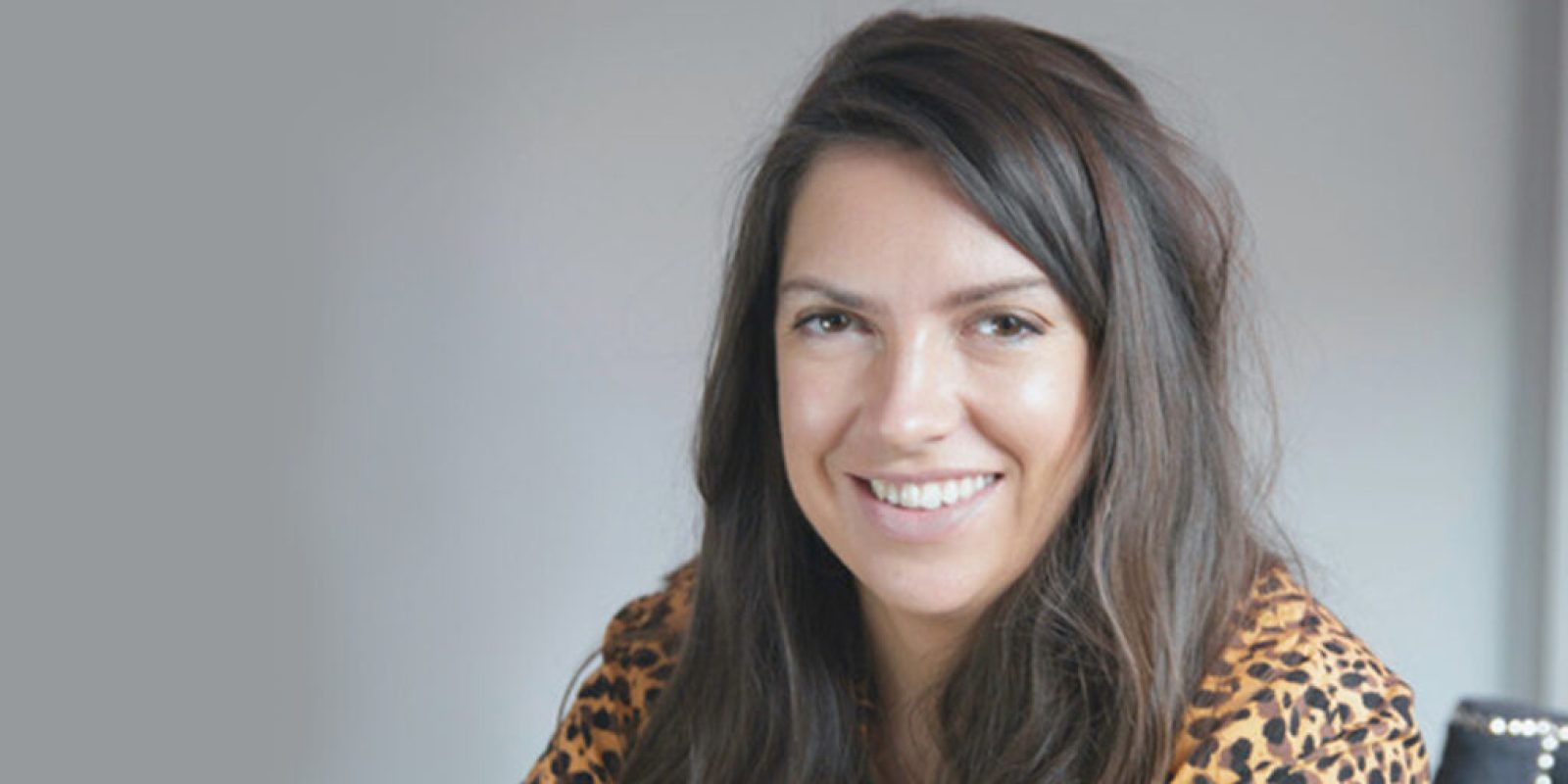
Meet Charlotte Wood
My Background is in Womenswear fashion design, and I worked as a fashion designer within the design teams at Burberry and AllSaints. Researching, exploring vintage markets and delving into art exhibitions across the globe have all informed and inspired the creative process that I now apply to floristry.
My love of florals started as a little girl, watching my mother paint watercolour pictures of flowers picked from the Kent countryside. When I relocated to London, I was always drawn to the flower markets from Colombia Road to New Covent Garden Flower Market. I would spend hours selecting flowers and experimenting with colour combinations and ideas. Before launching Wild Wood London, I trained at McQueens, working with the industry’s top florists.
Wild Wood London has grown from a love of flowers and foliage, building long-lasting relationships with clients and suppliers. I work collaboratively with our clients to create a unique feel and experience for each project and masterclass.
I adore the variety of floristry. Each day is different from the next. My days include an early morning flower market visit and meeting fashion brands to work on creative briefs, for example, pop-up floral shops or bespoke masterclasses. I also work closely with interior designers on new developments dressing the space with fresh or faux plants, and have recently launched a new faux botanicals range.
Extracts taken from the transcript of the podcast recording
FD: [00:01:15] Really well, thank you. I’m so happy you are joining us on the podcast this week because your journey is really exciting and I know lots of people are going to be really able to relate to your career path. [00:01:28]
CW: [00:01:29] Yeah, definitely. I mean, it has been a journey, lots of twists and turns that will delve into that. So I am a florist. I’m the founder of Wildwood London, which specializes in flowers for events, weddings, press launches, workshops. I also have a faux flower arm of the business where I do things with interior designers. I have an E-shop, and over seven years of having the business I’ve kind of refined down all areas I enjoy, what areas work well, which areas are profitable, and it’s kind of a bit of a refinement process, really having your own business. [00:02:09]
Being More Human – Career – Charlotte Wood.mp3
FD: [00:02:10] Yeah, absolutely. Well, first of all, congratulations on having your own business. I mean, seven years. [00:02:14]
Being More Human – Career – Charlotte Wood.mp3
CW: [00:02:34] I had just a lifelong love for fashion during designing, and so I went to London College Fashion to do a foundation course, which was kind of an overview of all different disciplines. After that I started an accessories degree and then realized I wanted to switch to womenswear. So I moved to Bristol and out of London and studied at the University of West of England, specializing in women’s design. I started working at Burberry as an intern and then got taken on as the bottom rung of designers. [00:03:21]
Being More Human – Career – Charlotte Wood.mp3
FD: [00:06:29] So whilst you were at AllSaints, was there sort of a stand out moment at that point where you started to pivot and realized that you didn’t want to work in fashion and you hopped into Floristry? How was that transition and did it happen from all sides? [00:06:46]
Being More Human – Career – Charlotte Wood.mp3
CW: [00:06:46] It happened from AllSaints. I think for me, I come from a family of entrepreneurs. My dad’s an entrepreneur, an investor, and my sisters all run their own businesses. That’s always I think when you have a bit of a blueprint or an influence in your life that shows you that it can be done. It’s a lot easier. You know, maybe if I had parents that were like, you know, we study this, we do 9 to 5 job. This is how we see society, maybe I’d look at it differently, but my dad’s always thought, oh, give it a go. Give it a try. What’s the worst that can happen? We can always change and things aren’t set in stone. I think everyone thinks it’s quite binary. You do this, you do that, you move on. [00:07:43]
Being More Human – Career – Charlotte Wood.mp3
FD: [00:07:44] That’s very true. And I think especially in these early stages of your career, when you’re so desperate to get a job and sort of jump onto that career ladder, for you to then have space to think about what it is you wanted to do. And I guess turning the tables so you’re driving your career forward, how did that sit with you and amongst all of your great contacts you’d made at that point and switching into something completely different to fashion on the outside? I imagine they’re similar skill sets in some respects, but I think on the outside you went from fashion to being a florist, what did that feel like for you in that moment, and how did you get your mindset around being able to do that? [00:08:36]
Being More Human – Career – Charlotte Wood.mp3
CW: [00:08:47] I think for me, I’d started to lose the love for my job role at that time. At 28, to start to think that you didn’t really like your job and I could see what my next progression and step would be, and I didn’t want that. So it was kind of putting off the inevitable. So I just thought at 28, let’s try something different. And what I found was really beautiful in terms of transitioning careers is people really do want to help you. I hadn’t set out the business just yet, but somebody asked me to do flowers for a press day and I thought, well, now or never, you’ll never quite be ready for things, so let’s do it. Someone more experienced I trained with came in and helped me. But she kind of sort of really took me under her wing. And it just gave me that little bit of confidence that, you know, if you don’t know something, you can learn it. You can ask, be curious, and constantly ask questions. My dad’s always said, you know, everything you say you already know. But if you listen to others, you could learn something new, which sounds very simple, but it just sort of, yeah, you’re like, Oh God, yeah, that’s so true. Like, be curious, ask questions, you know, by holding on to it and not asking questions to worry you, silly. You’re preventing learning some new answers. [00:10:13]
Being More Human – Career – Charlotte Wood.mp3
FD: [00:10:14] You’re absolutely right. I interviewed somebody this week actually he’s going to be on the podcast – Tyson Joseph. But I will repeat what he said. Curiosity is better than embarrassment. And it’s a huge thing, actually, when when you break that down and especially, when you’re starting out on your own or jumping careers, even if somebody listening is not wanting to on their own, but sort of move into a different industry and make those big jumps and leaps forward, the curiosity is really what drives us, but it’s an embarrassment and the fear that that holds us in that space for so long. [00:10:50]
Being More Human – Career – Charlotte Wood.mp3
CW: [00:10:51] Definitely. If you’re younger and you got embarrassed for asking a question and it wasn’t correct, that may stay with you as you grow up. But if you can reframe it as I don’t quite know all the answers yet, but I’m going to be curious and I’m going to look I’m going to ask questions and find maybe a mentor or somebody to guide me. And this makes it a little bit less scary. [00:11:14]
Being More Human – Career – Charlotte Wood.mp3
FD: [00:13:43] You mentioned very briefly about values. Do you believe personal values are important and have they challenged you in your career to date? [00:13:53]
Being More Human – Career – Charlotte Wood.mp3
CW: [00:13:53] I think personal values are so integral because from your personal values, you can figure out what your business values are and if they’re completely at odds, it’s never going to feel that aligned. And for me, integrity is everything. So I think I’m really honest and I really appreciate honesty myself. And I think, you know, when things I’ve had situations where an event might be going slightly wrong, you know, you fix it, you find out a solution, be honest about it. I’ve let somebody know. With weddings, I think it can be slightly different because do they need to know every single stage of it? Maybe not. Can you fix it quite quickly? Yes. But there is an element of I will keep people involved. If something’s going to be happening. It’s not going to be a massive, nasty surprise, but it’s just sort of understanding when do you step in and say that? But personal values, I know the way I want to work now and what I want to take on and what I want to spend my life doing is maybe be different from at the start of the business. [00:15:02]
FD: [00:23:25] Do you have any non-negotiable activities? Do you have any other tips and tricks to help you stay grounded? [00:23:35]
Being More Human – Career – Charlotte Wood.mp3
CW: [00:23:35] Meditation, I, I kind of had gone to the London Meditation Center and got given a mantra. So that was transient. And I never really knew much about meditation beforehand. I went along with an open mind, and met some great people all from loads of different careers and so, well, I’ll give this go. And I think the last year I’ve committed to like 20 minutes each day and it’s just a bit of space for me to get away from things, clear my head. I notice when I don’t do it, it’s just things are a bit harder. Maybe anxiety creeps in, and worries may appear, but when I’ve meditated I just feel a level, baseline level that I can kind of then work from and I just seem like a happier person. [00:24:24]
Being More Human – Career – Charlotte Wood.mp3
FD: [00:24:25] Do you have any advice for anyone listening who keeps hearing about meditation and reading about meditation and maybe even listening to people talk about it? But actually starting it, as you know, is hard. [00:24:37]
Being More Human – Career – Charlotte Wood.mp3
CW: [00:24:38] I think it’s always the hardest, isn’t it? It’s, you know, it’s almost removing the blockages away from that. So what is stopping you from starting? Is it a little bit earlier? Is it you have no space or is it very noisy? You need to maybe go somewhere else to do it. You need to kind of set yourself up for success. And for me, I know that I need to just do it in the morning. Otherwise, the day runs away and I haven’t had a moment. And if I can get another 10 minutes later in the day, that’s a win. But my 20-minute one in the morning is non-negotiable. [00:25:13]
Being More Human – Career – Charlotte Wood.mp3
FD: [00:25:13] Did you meditate around mantras? [00:25:15]
Being More Human – Career – Charlotte Wood.mp3
CW: [00:25:15] Yeah i know this sounds really woo woo, but it works for me. And I think it’s really become mainstream and it’s really important to just figure out what works for you because everyone is individual. And for me, I wanted to go somewhere where they kind of took me through the process and what it meant and, you know, a bit of ceremony. But somebody might be just as happy with the calm app or headspace and that could be a great start. So it’s just figuring out what it is that you need. [00:25:52]
Being More Human – Career – Charlotte Wood.mp3
FD: [00:33:09] I need to read this book. That’s exactly what I need. That sounds amazing. [00:33:13]
Being More Human – Career – Charlotte Wood.mp3
CW: [00:33:13] And another book I’ve read recently is by Johann Hari. He was on Steven Bartlett’s podcast and his book is called Lost Connections. And it’s fascinating and talks about depression and anxiety. Taking medication or not taking medication, but gives a real view of different places around the world and what levels of anxiety or depression they have and how the community can combat that, and how to reconnect with others. [00:33:41]
Being More Human – Career – Charlotte Wood.mp3
CW: [00:33:49] It’s more he does a lot of research and he spends a lot of time with people really understanding their story. He talks to a lot of doctors and some that maybe have an Eastern philosophy or Western philosophy and really does broaden the scope to understand from a holistic point of view what’s happening. And he talks about big pharma, which is, you know, interesting and how things are set up. Yeah, that’s really interesting. [00:34:17]
Being More Human – Career – Charlotte Wood.mp3
FD: [00:34:18] And really it sounds like you’ve got a real diverse look on life in terms of how you observe it and your interest in it and your interest in people. And I guess that sounds a lot from the work you’ve done over the last how many years and your career to date? [00:34:34]
Being More Human – Career – Charlotte Wood.mp3
CW: [00:34:34] Definitely. And another book is called Please Yourself. And it’s by a psychotherapist called Emma Read Tarot and it’s about how to stop people pleasing and or blazing why you do it and how to stop doing it. And understanding. Putting those boundaries, I think small business owner boundaries are super important to be able to manage your time and your life in the way that you want to have it. [00:35:03]
Being More Human – Career – Charlotte Wood.mp3
FD: [00:35:04] I think I need to read that book and we probably all need to read, especially starting out a business on your own as well. It’s a trap you fall into that whether you like it or not. You fall into that camp only because you have to say yes to everything. And yeah, and this is and it’s I do believe it’s testament to why he’s so here seven years down the line and why, you know, you still got your business. It’s there’s a balance, obviously, to be struck within that. [00:35:33]
Being More Human – Career – Charlotte Wood.mp3
CW: [00:35:33] And you do have to put some time in and you do have to work hard. This isn’t a case of just working a couple of hours each day, but it’s understanding, working hard, working smart, and, you know, not completely negating your personal life for the sake of work. [00:35:47]
Being More Human – Career – Charlotte Wood.mp3
FD: [00:35:49] So, Charlotte, the last question I have for you is what does becoming more human mean to you? [00:35:55]
Being More Human – Career – Charlotte Wood.mp3
CW: [00:35:56] And for me, it’s kind of determining what is important to me. And I think growing up, you kind of sort of listen to a lot of social chatter or maybe family chatter. I’m kind of not wanting to just follow what society dictates and set milestones in my life. If your life is aligned that people can feel a bit like, where are they? Where do they fit? But actually, I’m saying what’s important to you and be staying true to that and almost listening to your own self-talk sometimes, you know, you can have really negative self-talk and is that helpful actually, can you reframe it and can you look at things as a possibility and a different way of doing things? And I think that gives you a bit more freedom to be able to enjoy life on your terms. [00:36:41]