Erica Bergsmeds
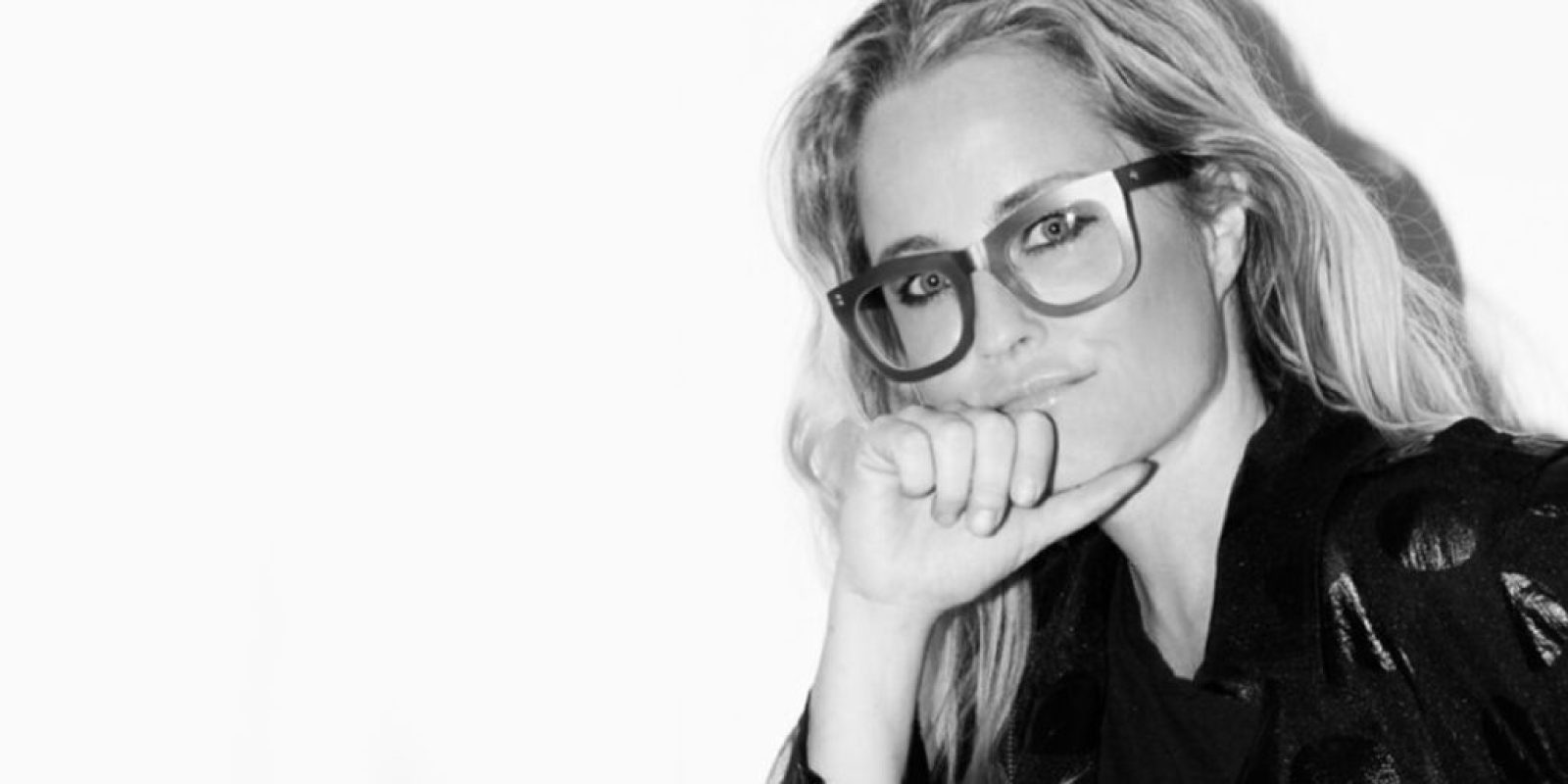
Erica Bergsmeds was born in Sweden. She received a Meisner acting diploma at Neighbourhood Playhouse and The School For Film and TV in New York, where she also studied directing. At the University of Vienna, Austria she studied film and directing. Erica Had a principal role in Eric Sheaffer’s film Wirey Spindell, She played the Lead role in a Swedish National TV series on SVT ” Tyst Dumsnut Och Kyss mig”. Smaller roles in films include Spike Lee’s Summer of Sam, The Scorned, My New York Stories, and Trapped. Erica’s Directing credits include the Feature film LA Swedes and short films Waiting for a Prince, Ice Maiden Stunneth, and Milk. Erica Has also covered many fashion magazines worldwide with her images as a fashion photographer. She continues her work as a director/photographer/actor.
Extracts taken from the transcript of the podcast recording
FD [00:02:12]How did you get to where you are today and what was your path? [3.0s]
EB [00:02:16]When I was 14 years old, I grew up in Sweden and I had a place, you know, when you visit work, you go to work experience. I had a workplace thing when I was 14 years old in Sweden at a photo photographic press agency. And I love taking photos and I started taking photos of all my girlfriends and one of my girlfriends won a modelling competition and the modelling agency called me up and said, Yeah, we saw these images and we were wondering if you would like to work for us. And I said, Oh my God, that is so amazing. Let me ask my mom. And they said, How old are you? Like 14, they said. They laughed and said, You might have to wait a few years before you work with us. But then I thought, you know what? Because they thought I was good. Maybe this is something I can do. But then at 17 years old, I got cast in a TV series because I was very much into performing as well. So I ended up the lead in a TV series in Sweden. So the love for that started to grow. And I actually ended up on an acting career that took me to New York and acting schools and acting for a few years in film and TV. But while I was doing that, I would constantly take pictures and I loved it so much. I met my ex, who is a fashion photographer, and that’s how I ended up shooting more and more and kind of taking a little bit of a break from acting. It’s only now 15 years later that I come back into film by directing. [105.5s]
EB [00:07:31]Yeah. I mean, there are quite a few things I would say. To not to try to be someone you’re not. It’s very easy, I think, in especially in a in a fashion world where you feel like there are always people that are better than you and more beautiful and they’re so chic and this and that, and you feel like I need to be all that and which I think everyone feels. So it’s not just you who feels that way. It’s. It’s an industry filled with insecurities. And I think you just have to learn to be yourself and love yourself. And self-love is so important. And I work a lot on that. I mean, I do meditations and workshops that incorporates a lot of working on self-love. It’s it’s very important. And I think if you can accept yourself, you will it will do very well and everyone else will accept yourself to accept you as well. [57.7s]
EB [00:10:47]If you would have asked me 15 years ago, it might have been different than what it is now. I have a daughter now, and for me it’s very important to be a good role model for her. There’s a lot of talk with her now about her friends as they are talking about weight and looks and they’re only 12. It’s such an important role for me working in the industry that I do to explain to her about self-love, you know, and. Yeah, it’s, it’s worrying really. When you see how, you know, Instagram and social media and how that affects such young girls as 12, 12 years old. It’s quite scary. But yeah, sorry. Back to what I strive for. I strive for being a good mother. A role model for my daughter. It means a lot more to me now that I leave something good behind. [147.2s]
FD [00:13:15]You did an excellent job. And everybody is walking around with your boobs on their chests. [5.5s]
EB [00:13:23]Yes, they are. I felt like that a couple of times, sometimes texted me and said, Erica, your boobs won’t cost me. It’s very funny. It’s quite surreal, I have to say. If you would have asked me a year ago, I would have not thought that that would happen this year. No, that’s just part of my crazy, creative and creative mind. I guess. It was like, Yeah, that’s absolutely fine. I will lend my camera and my boobs to this charity. Why not? But yes, I would say I strive for doing more things like that, less to get validation from cool people, cool jobs and hot magazines. And I strive for telling stories and I want to do more film. And I am working on a couple of new short scripts and a feature script was two years ago, right before COVID hit. I made a 30 minute short film. It’s about a dancer who gets abused by a producer, so it’s a female empowerment film, and we won many awards for that. [75.1s]
FD [00:14:44]Fallen Dream. It’s starring Sassy Alexander and Laura Whitmore, Kimberly Wyatt and it won several awards. And I’m really proud of that because it’s a topic that needs to be heard, something we need to raise. Still, it’s about things that, you know, happened to me back in the days in New York. As an actress, you had less of a sleazebag around you who didn’t respect you and you were just a commodity. It’s important to tell some of those stories, and that’s what I want to continue doing. I want to make it topical. [46.6s]
FD [00:15:32]And those experiences that you felt as a young girl trying to strive for your dreams and acting at that time and coming across sleaze bags like that, and for you to now look back and to turn that into a positive, to be able to tell stories, to help other people, to be able to talk about it, that’s absolutely commendable. There aren’t many people that can find the words or the right creative outlet to be able to do that. So, I mean, it’s massively commendable, Erica and it’s obviously always a hard subject when it’s so probably close to your heart. [38.9s]
EB [00:16:11]Yeah, definitely. And you know, 20 years ago, you wouldn’t make these films and I wouldn’t have talked about this because you just it was like, so what? That’s normal. So what? You have a couple of directors and producers grab your ass and and stare at your tits and, and people would just be like, Yeah, but that’s normal. You don’t talk about that. And it’s changed. It’s not really like that anymore. You can talk about it now and people will listen when. [28.8s]
FD [00:17:28]What impact does your career have on your personal life, Erica? [2.9s]
EB [00:17:33]Wow. It blends very much. Some people have an office job and they go to the office, they come back and they have a very separate personal and private life. I feel like I don’t. People in my industry are very much my best friends and my family. I work evenings, weekends. My phone’s always on this. Always. I am never I never have a time off, so to speak. But it can be stressful. And if I have a very busy period, I very much need my meditation and my yoga to feel grounded. Or I might go see my mom and dad in the countryside in Sweden for a week and I walk in the forest and I feel like I can go back home again. You know. [47.5s]
EB [00:18:58]The body positiveness. I have to. I joke a lot about that, but body positivity does have to remember that it’s positive. So what if you feel a little bit like a doughnut today? Thank you. [13.5s]
FD [00:19:12]That is the quote of the year. I’m taking that one. [3.7s]
FD [00:28:29]So the last question I have for you, Erica, is what does becoming more human mean to you? [4.8s]
EB [00:28:34]It’s definitely what I’ve been touching upon already. It’s doing work that you’re proud of. It’s a feeling that you’re leaving something good behind. I think. In the way, the world looks today. There are a lot of changes that humanity and individuals need to do, a lot of changes for humanity. So we all need to. Pull out a straw and help with what we have to help with the environment. We all have to do our bit. We all have to do our bit. We all have to pay it forward. Because if we don’t, this is a dark place. And becoming human, I think is part of awakening. There’s a global awakening happening. To just, you know, being open to change and seeing other people around you find that love inside of you for yourself and for others and stop being so selfish. We live in boxes. You have to step out of the box. I think that is becoming human is stepping out of the box. [75.7s]