Meet Nick Ede
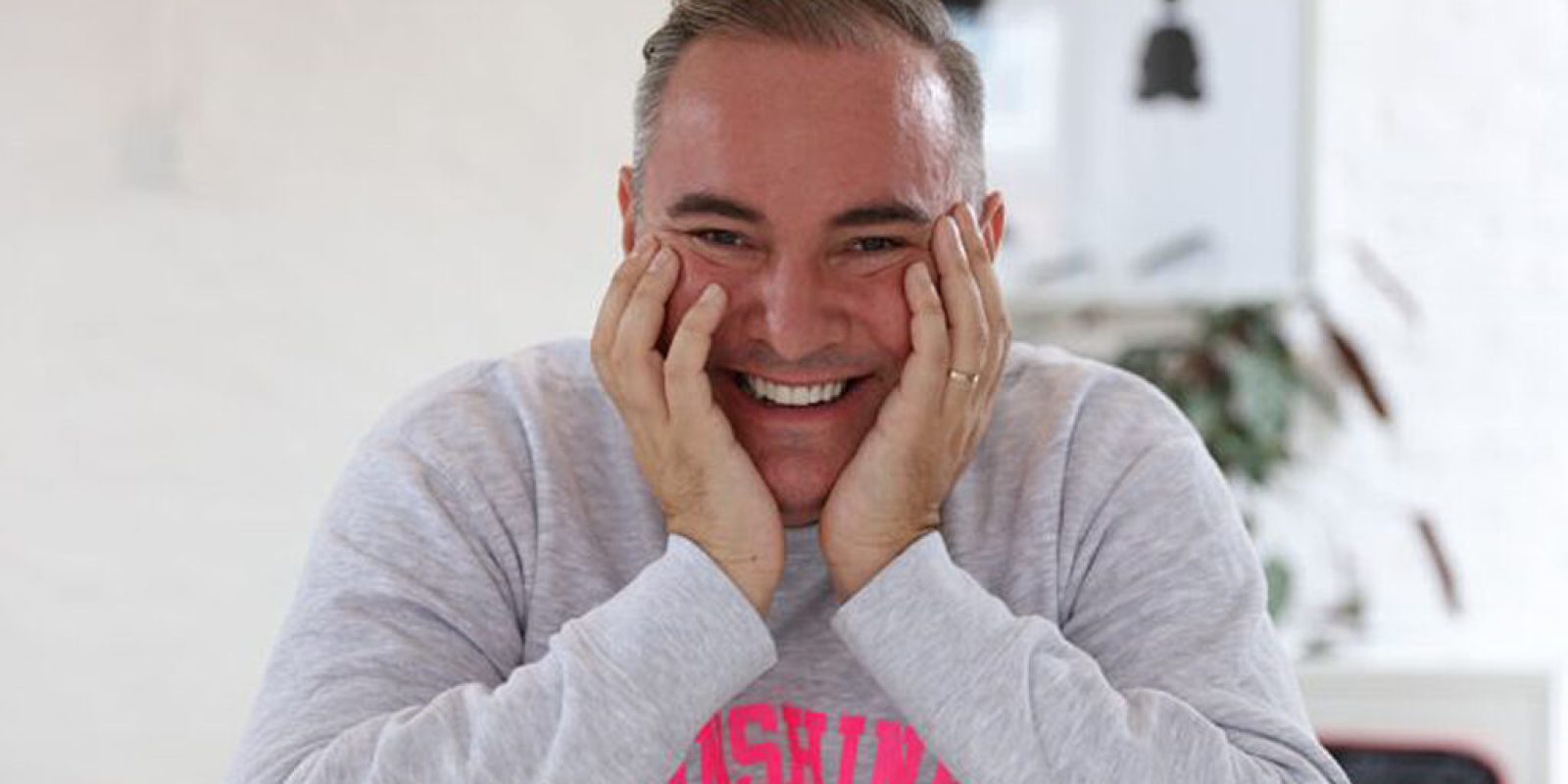
Nick Ede is a Scottish public relations, popular culture expert and television presenter. He runs the London-based PR agency East of Eden and he lives in Hackney. He is a philanthropist and charity activist, popular culture and brand expert.
Founder of London-based independent PR agency, East of Eden, Nick and his team specialise in Brand Experience and Social Change, with a roster that includes; Global Gift Gala, BBC Children In Need, Rays Of Sunshine, Bowel and Cancer Research, The Diana Awards, British Asian Trust, MTV Staying Alive and Pink Ribbon Foundation. Last year alone saw him help raise over a million through various fundraisers, charity galas and campaigns.
Nick has over 15 years of TV experience and is currently regular expert on GMB on ITV, `The Royal Agenda on Royalty TV and The Royal Box for Yahoo! with an audience of over 2 million.
Recently he has been starring in the flagship UKTV show Ultimate Matchmaker for W Channel. He is also a regular on Sky News, commenting during the Paper Review section and on topical debates.
Extracts taken from the transcript of the podcast recording
NE [00:03:17]You know I wasn’t academic at school and I wanted to be an actor. My father was a scientist and he was very much about me going to university and doing that sort of everything at Oxbridge, that kind of thing. And it just wasn’t going to be something that I would do. So I went to drama school and I really wanted to be an actor. But I learned there is the top 2% of people who really want to be an actor, who will be an actor, and the rest of us hopefully will do something great. I learned about communication, to be honest, and I learned that whatever situation I was thrown into, I could use the skills I learned as an actor to negotiate my way out of them or impress or whatever. I came to London, got into ticketing and marketing when I was around about 23, and then when I was 30 I set up a charity because my mum had passed away from a stroke when I was young and I wanted to help. It really frustrated me because you had to be famous for a charity to work and I wasn’t famous, to be honest, and I wasn’t in the public eye. And I thought to myself, God, I need to do this. So I went in and became a runner for Elisabeth Murdoch, Rupert Murdoch’s daughter for Shine and a big TV company. And I literally was giving Diet Coke to lots of celebrities and met lots of people. [81.5s]
FD [00:05:08]You left, by the sounds of it, something pretty stable to risk everything for something that maybe would have led nowhere in the end. It was a huge decision. [37.0s]
NE [00:05:45]Yes, I made a massive decision and took a huge leap of faith. Everybody was like, what the hell are you doing you’re completely changing everything. And I was like, well, listen, I, I only live once. I got one chance to see what I can do. And this is if it doesn’t work, I can go and do something else. Like I’ve always been one of those people that hasn’t got that pretense or that attitude, I was actually making water and teas for people who were half my age. But what I did discover, and what was crazy about it was that six months into the job, they gave me a co-hosting job on a Sky TV show on Russell Grant, who is an astrologer. I suddenly was on a daytime TV show every day producing my items and presenting with him. And this was a dream. I was like, Wow, I’ve done what I said I’d do, and I was like, Wow, this is great. But what I realised from was very early on is again, only the top 2% of people make good money in television. So I thought, Right, what do I do? I just started putting on parties and then that became PR and then it became what it is today. [84.4s]
FD [00:10:13]Well, that leads me perfectly on to the question I have, are personal values important, and have they challenged you in your career? [8.1s]
NE [00:10:24]100% personal values are so important. But I think it took me, I would say, 20 or so years and maybe the last 15 years or so to really understand that, because I think previously we have been very reticent to talk about purpose and talk about actually our own emotions and our own feelings, we felt that was a failure. And I was extremely aware that if I talked about things which might be a little bit, you know, even being on television and also having a PR agency, some people would say to me, you can’t do both, and I’d be like, of course, I can. You’re buying into a personality. But I had to hide behind that for quite a while. But now, you know, in the last few years, I really felt that it is about integrity. People buy you and people buy into you or you as a brand. And that’s the most important thing. We can only be as good as we are. [60.0s]
NE [00:15:11]I moved to Rye. I love living in Rye. I absolutely love it. I think it’s completely changed me. I’m working probably more than I did, but I do think it’s still a bit Groundhog Day, and I think that’s got to do with Covid. I think we’re still learning a lot of stuff. I think zooms have become essential, but I do think that they are still a little bit too long and still people think they’re necessary when they’re not. I just think actually it was working in an office environment that would just not happen. And so I kind of feel that there’s a little bit of economy that needs to be created for that. I do feel the work-life balance is much better. I go to London maybe twice a week. I do my work, I film a TV show, and I’m doing a show for Hello magazine at the moment, which is great fun. It’s called High Street Hit. So I do that with Andrea McLean, we film that every couple of weeks, which is great fun. And you know, I now go and do GMB too. [73.1s]
FD [00:19:13]You have just encapsulated everything that humans are about. I mean, if we just thought with love, then life would be a lot simpler than it is. But we really do overcomplicate it most of the time. [13.3s]
NE [00:19:27]100%, we overcomplicate everything. We also become victims. You know, I’m very lucky. I was born a happy person. And even in the hardest, toughest of times, I’ve always woken up happy and see life in everything that I literally do. Like it’s just the way I am. And I think that it’s allowed me to be a little bit naive, but also very innocent. I think if we captured all this, love is all we need. [42.6s]
FD [00:28:49]So lastly, what does becoming more human mean to you? [5.3s]
NE [00:28:57]Oh, my God. It means understanding other people more and being much more compassionate. And I think it’s about, thinking about them. I’ve said this recently, you need to ask people twice how they are because the first time they won’t tell you, and the second time they will and they’ll open up. Becoming more human is about giving them that time. You know, we can give ourselves time to do lots of other things for ourselves. Give other people just a little bit more time to tell us how they really are, because you know what? That will give them so much opportunity, to be honest, and hopefully, it will help them in the future. [45.7s]